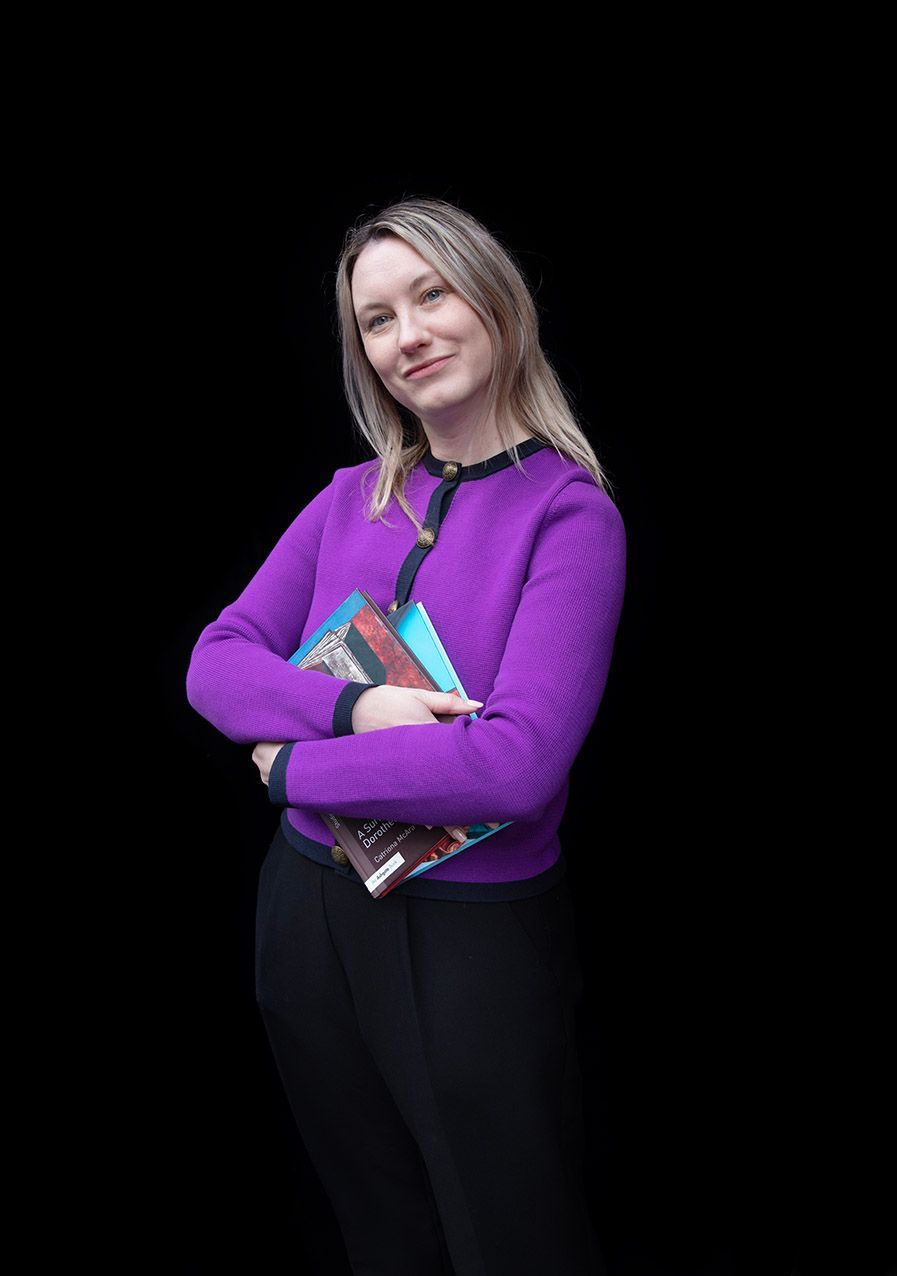
Female Voices in Art: Interview with Alma Wiersma, Marketing & Communications Officer at Museum Martena
“I believe that women’s history, women’s art, and women’s stories in general are still shown and told far too little. “
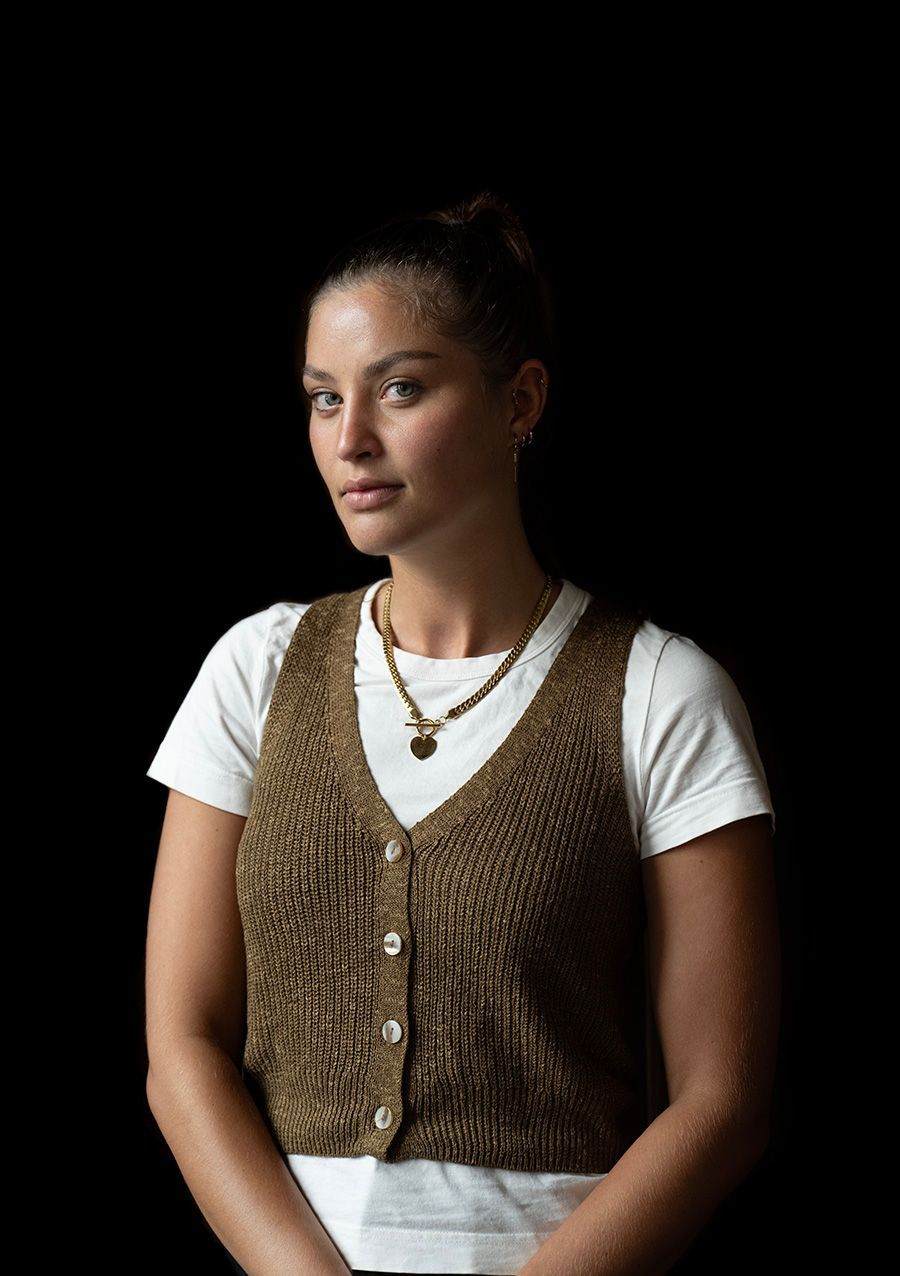
Alma Wiersma (b. 1999, Leeuwarden, NL) is the communications mind behind Museum Martena in Franeker. She studied Communication at NHL Stenden University of Applied Sciences in Leeuwarden, where she later discovered her love for the cultural sector through an internship at the Jonge Harten Theatre Festival in Groningen. She now applies her passion for culture and storytelling in her role as Marketing & Communications Officer at Museum Martena.
Could you tell us something about your role in the art world?
My role as a communications officer is, simply put, to place Museum Martena on the map. I personally dislike empty marketing talk, so in my work I try to give as much substance and meaning as possible to what I do. Storytelling is a key element for me in this. Sometimes I walk through the museum and feel instantly inspired by what I see: stories about the building, hidden bullet holes in the castle tower, and the remarkable lives of those who once lived in the Martenastins. It feels like a magical place, and I love sharing that feeling with potential visitors.
What did you enjoy about being a part of this project?
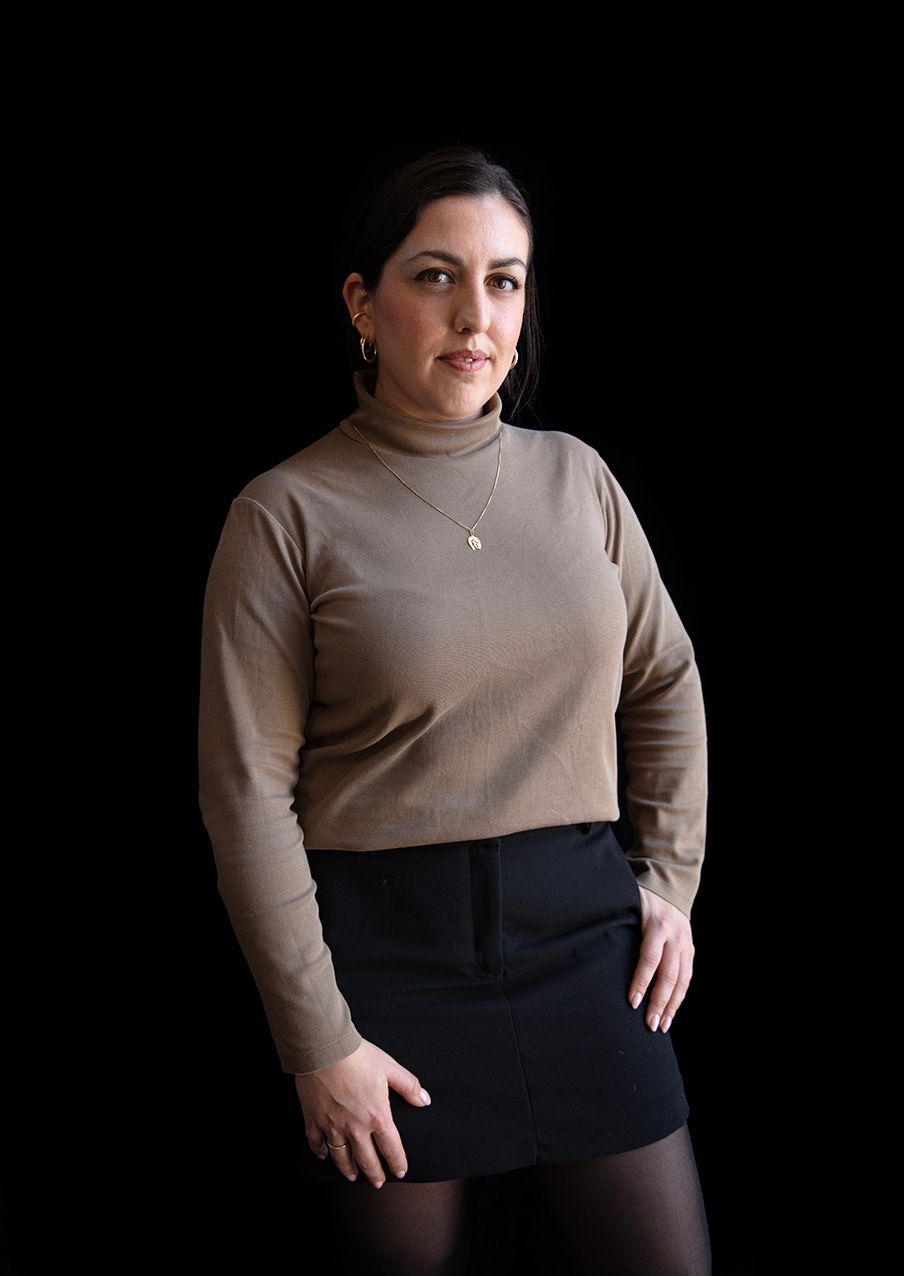
I found it special that Carla wanted to portray me, and I actually felt a bit honoured. It was a very spontaneous moment: I walked into a room where Carla was already photographing three other women for this project. She asked if I wanted to be part of it as well, and of course I said yes. The photo was taken in just five minutes.
Do you have a favourite artist?
I am a huge fan of children’s books and their illustrations. I particularly enjoy Pluk van de Petteflet and the illustrations by Fien Westendorp. I am also very fond of the work of Matisse; I believe life should never be without colour.
What is your earliest memory involving art?
As a young girl, I drew a lot. I clearly remember being aware of colours at an early age and how they can work together. Colour fascinated me then and still does. At the time, my mother often painted landscapes in watercolour, and I could sit and watch her work for hours.
Do you have any special thoughts about the position of women in the art world?
I believe that women’s history, women’s art, and women’s stories in general are still shown and told far too little. There is a reason I work at a museum where Anna Maria van Schurman—the first woman to study at a university in the Netherlands—has a room entirely dedicated to her. I wouldn’t describe myself as an activist in the broad sense, but I certainly am one in the details.
What are you wearing, and tell the story behind it?
My clothes say a lot about how I feel on a given day. On the day I was photographed, I felt combative and chose a comfortable outfit that allowed space for my masculine side.
What are you currently working on?
I am working on a plan to tell the hidden stories of Museum Martena online. What makes this especially interesting is that visitors cannot find these stories in the museum itself, which gives them added value.
Could you mention a project, an institution, or a person who has been important or inspiring for your career and why?
My boss, Manon Borst, director of Museum Martena, trusted me three years ago to write a strategic plan for the museum’s reopening, even though I had little work experience at the time. Over the past three years, I have been able to grow in an environment where I was given an enormous amount of freedom and trust. I am very grateful to her for that.
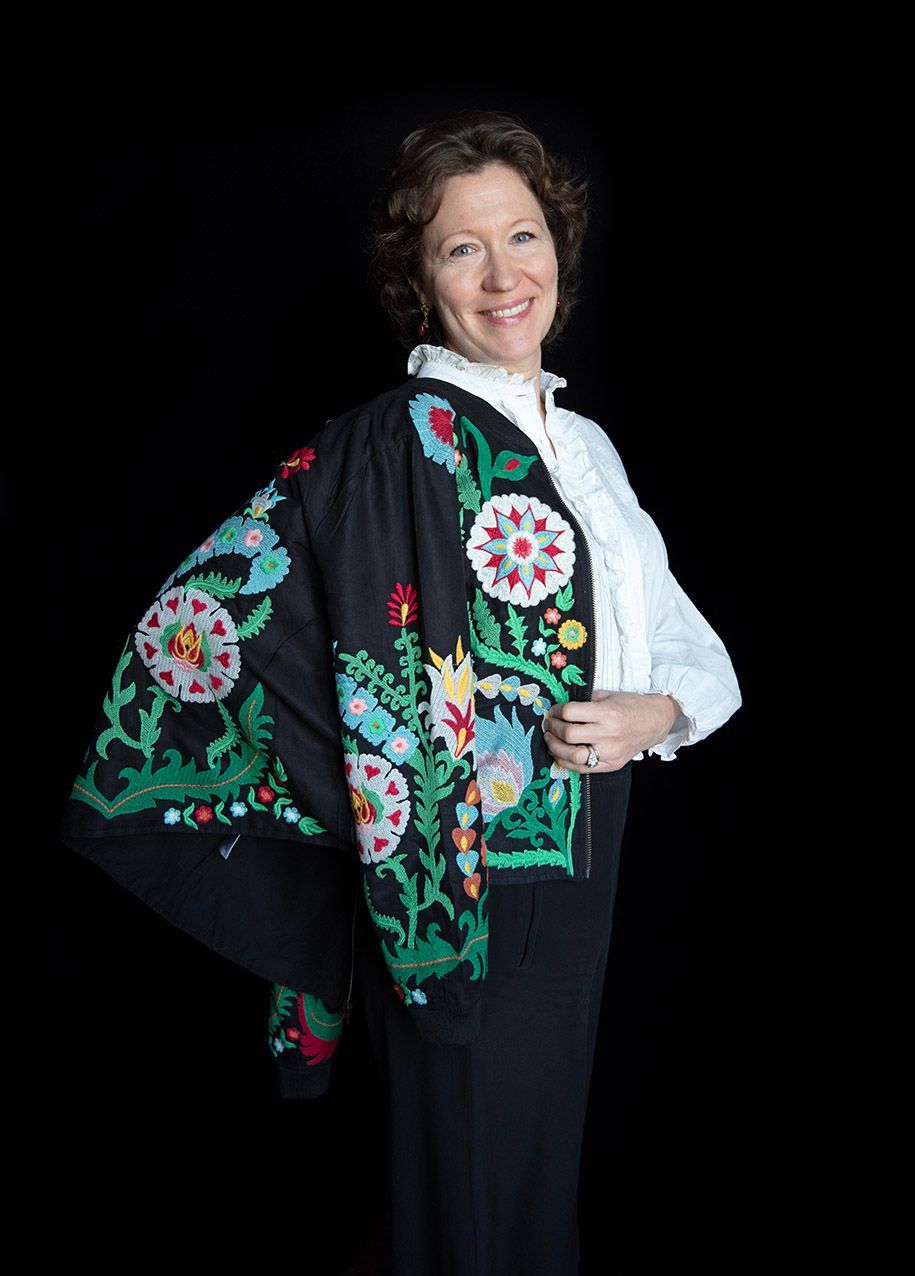
Female Voices in Art: Interview with Mariana Varchuk, Curator Khanenko National Museum of Arts, Kyiv